PORTFOLIO
NASSER
KHALIL
PRODUCT
DESIGNER
Turning complex systems into clear, trustworthy products.
LONDON, UK.
FEATURED PROJECT
LocalMeet — Offline AI Meeting Assistant
A privacy-first desktop app that records meetings, transcribes them, and turns them into summaries, decisions, and action items — entirely on-device. No cloud, no account, no telemetry.
Role
Product Designer & Developer
Duration
4 weeks to MVP
Team
Solo
Year
2026
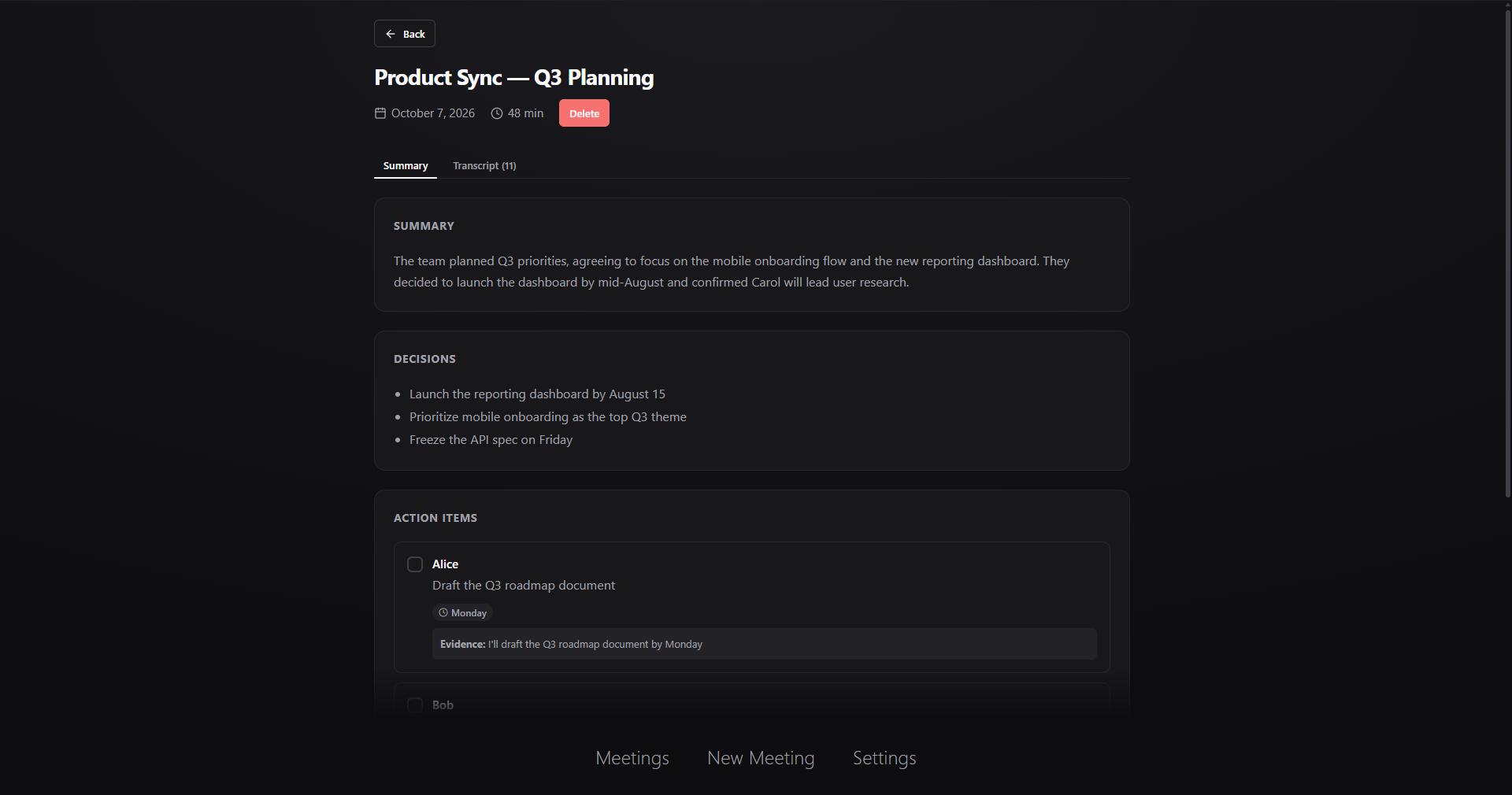
Meeting view — summary, decisions, and action items
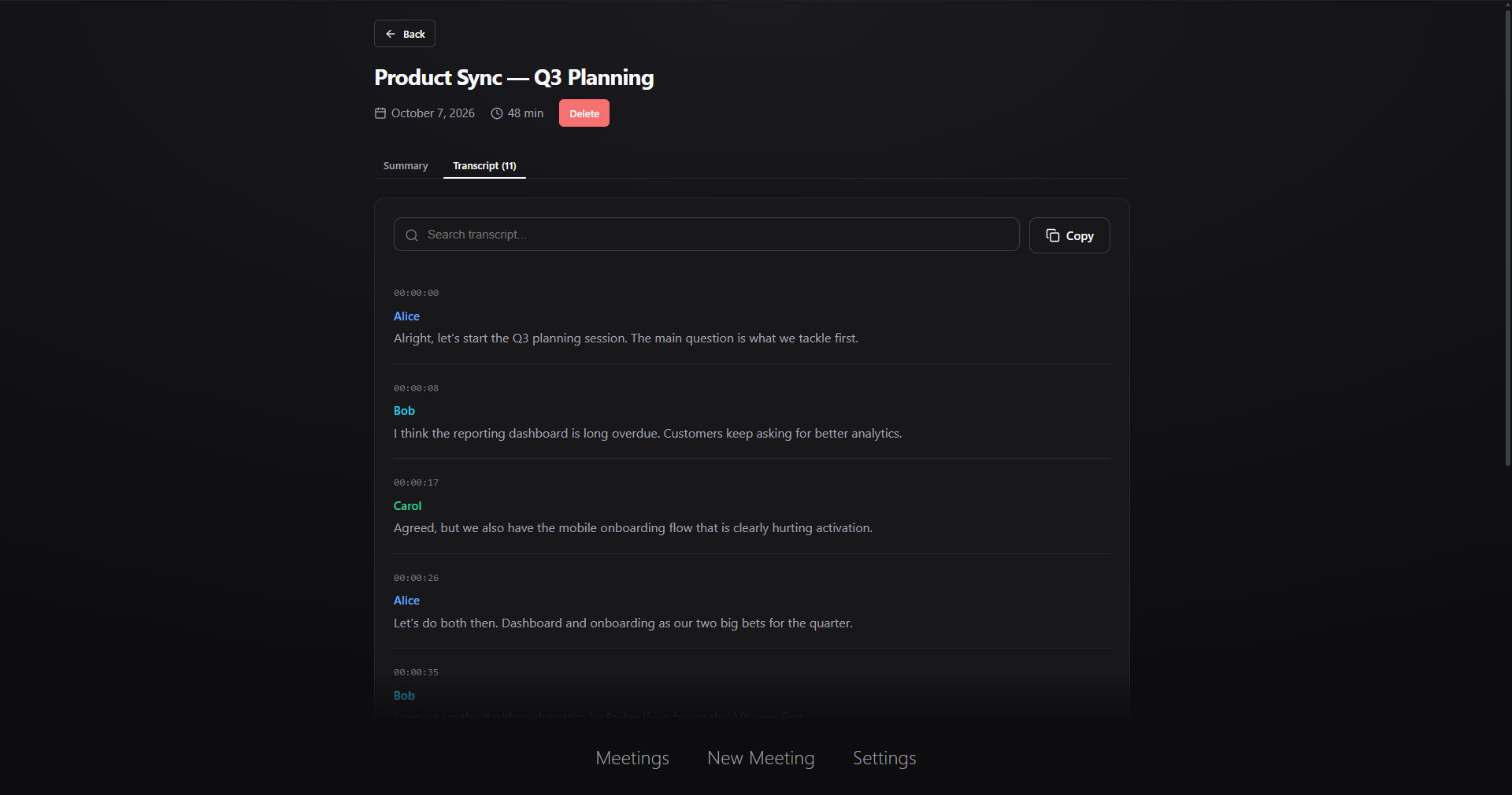
Transcript — searchable, timestamped, linked to evidence
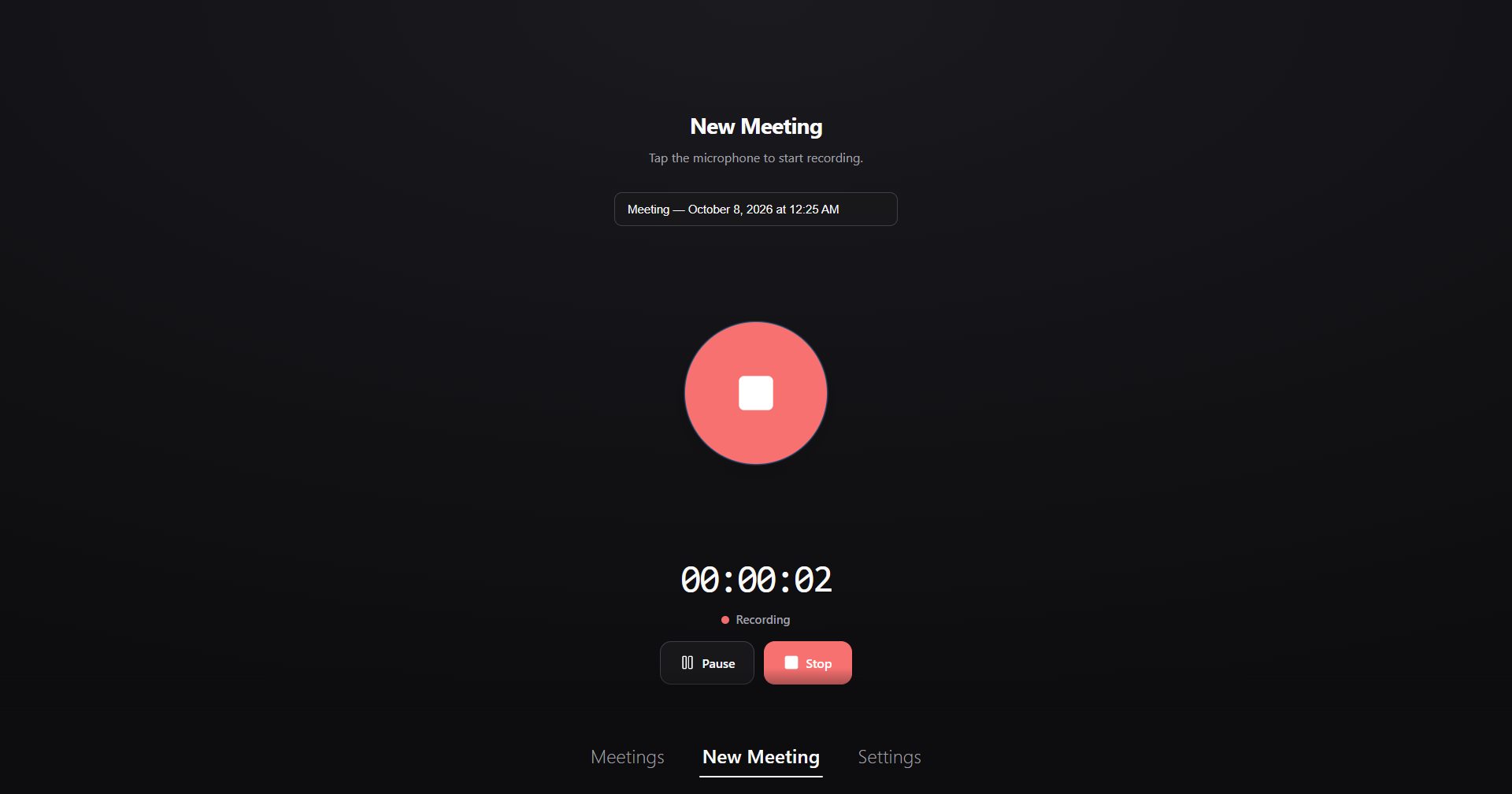
Recording — minimal controls, privacy indicator visible
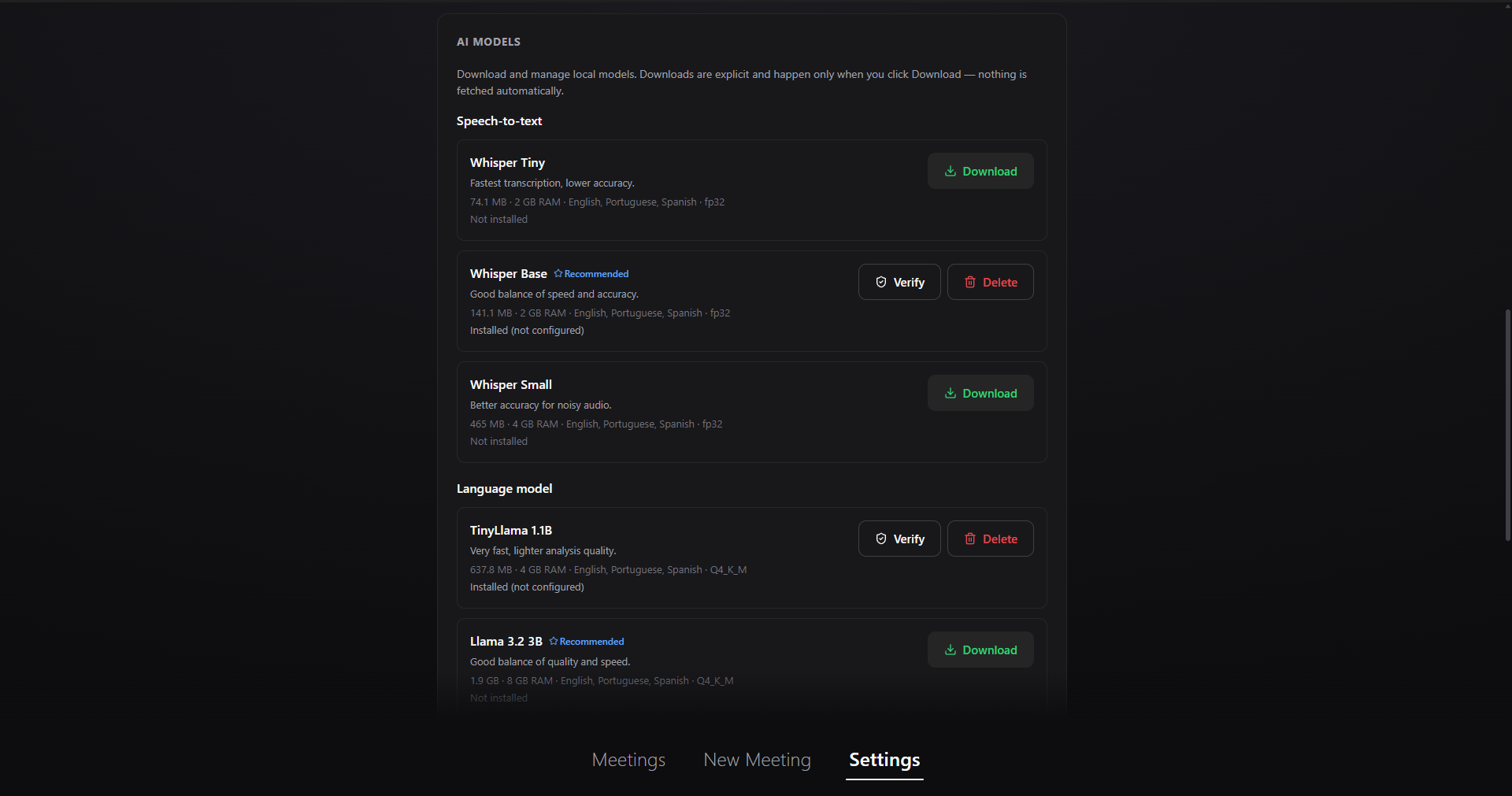
Settings — model downloader, storage, and privacy toggles
EXPERIENCE

Based in London
Nasser Khalil
Product Designer focused on the intersection of complexity and clarity. I work with companies navigating digital transformation and turn fragmented legacy systems into coherent, scalable experiences.
Below is a selection of engagements where I led research, shaped product decisions, and shipped work inside regulated, high-stakes environments.
Riachuelo
Problem
A legacy quality-control workflow in the textile operations of Riachuelo relied entirely on paper forms across factories in Brazil and China. Inspection data was manually recorded by factory inspectors and passed through multiple handoffs before reaching the BI team — introducing frequent errors, delays, and inconsistencies in reporting.
The research uncovered a deeper issue beyond inefficiency: a systemic lack of trust in the data. Because inspection results could be easily altered or selectively reported, teams created informal verification steps, duplicating work and slowing down production.
Approach
I conducted contextual inquiry on the factory floor, working closely with managers, inspectors, and operators to map the full lifecycle of a work order.
Leading the end-to-end UX process, I translated these insights into a web-based inspection system designed primarily for tablet use on the factory floor. The solution replaced paper checklists with structured digital workflows and introduced validation mechanisms such as required fields, timestamping, and photo evidence to ensure data integrity at the point of entry.
Inspectors could complete checklists in real time, attaching photos and submitting standardized reports, while managers gained live visibility into each work order through a centralized dashboard.
Outcome
By redesigning both the interface and the underlying workflow, the system created a fully traceable inspection process, reducing the possibility of manipulation and eliminating the need for redundant verification steps.
Processing time decreased by 73%, over 12,000 users were onboarded across multiple facilities, and post-launch surveys reported a 4.8 satisfaction score, driven by increased speed, transparency, and confidence in the system.
73%
Faster Processing
12k
Users Onboarded
4.8
Satisfaction Score
Detailed walkthrough available on request.
TOOLS & METHODS